
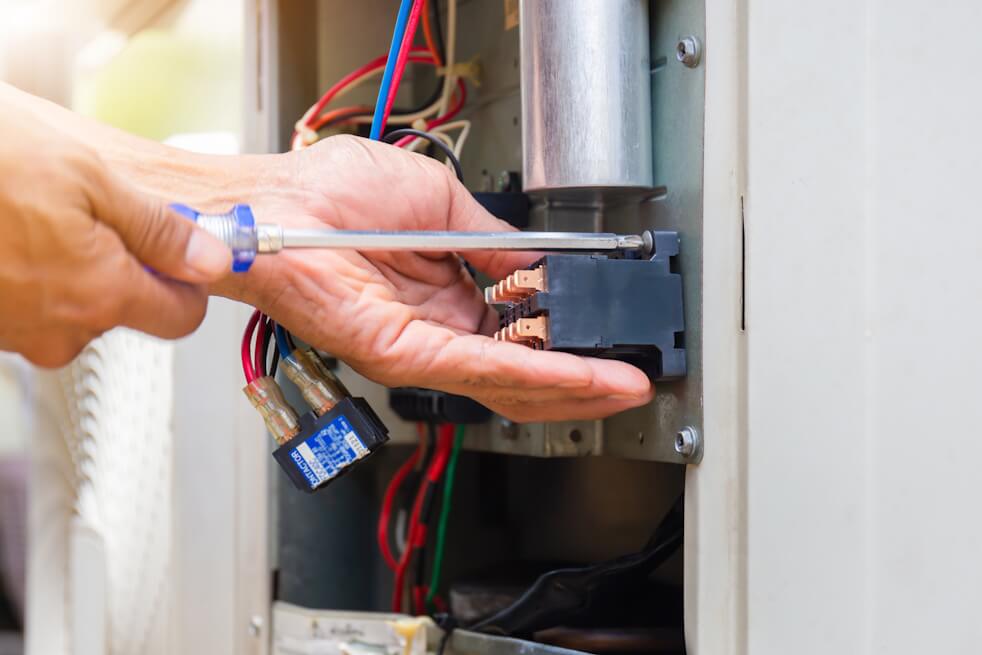
Start With an HVAC Technician When AC Wiring Problems Appear
When an air conditioner begins acting up, and electrical issues are suspected, the first professional to contact is usually an HVAC technician — not an electrician. Most wiring problems connected to air conditioning systems occur inside the HVAC equipment itself, where specialized components and control wiring operate the system. Because HVAC technicians are trained to diagnose these internal electrical systems, they are typically the best starting point for identifying and fixing the problem.
Electricians play an important role when issues involve the home’s main electrical supply, circuit panel, or structural wiring. However, when the symptoms originate in the air conditioner — such as the system not turning on, shutting off unexpectedly, or failing to cool properly — the issue often falls under AC repair rather than general electrical work.
Understanding why HVAC technicians usually diagnose these issues first can help homeowners respond faster, avoid unnecessary service calls, and control overall AC repair costs.
Why HVAC Technicians Are Usually the Right First Call
Air conditioning systems contain multiple electrical components designed specifically for heating and cooling equipment. These components interact with refrigerant systems, compressors, thermostats, and airflow equipment — all areas that fall within HVAC expertise.
An HVAC technician is trained to inspect and test components such as:
- Capacitors that help start the compressor and fan motors.
- Contactor switches that control electrical flow to the system.
- Control boards that manage cooling cycles.
- Thermostat wiring that communicates with the unit.
- Safety switches that prevent overheating or damage.
Because these parts are integrated with the cooling system itself, diagnosing problems with them often requires HVAC-specific tools and experience. When an air conditioner stops working correctly, the issue is frequently related to one of these components rather than the home’s broader electrical system.
If a technician discovers that the problem originates in the building’s electrical infrastructure — such as a breaker panel or supply line — they may recommend involving an electrician. Starting with an HVAC professional helps narrow down the cause quickly and prevents unnecessary troubleshooting.
Common Signs of Faulty AC Wiring
Electrical issues in air conditioners often appear through subtle symptoms before a complete failure occurs. Recognizing these warning signs early can help prevent larger repairs and system damage.
Some indicators that wiring problems may be present include:
Frequent breaker trips
If the air conditioner repeatedly trips its circuit breaker, it may be drawing more power than normal due to faulty wiring or failing electrical components.
Burning smells near the unit or vents
A faint burning odor can indicate overheated wires or insulation damage. This is a warning sign that should always be addressed quickly.
AC turning on and off unexpectedly
Loose wiring connections or electrical control issues can cause short cycling, where the system repeatedly starts and stops without completing a full cooling cycle.
Thermostat commands not responding
If the thermostat appears to be working but the AC system does not start or respond properly, communication wiring between the thermostat and unit may be damaged.
These issues often prompt homeowners to start researching AC repair options. Identifying the problem early can prevent additional strain on other system components.
How Wiring Problems Affect AC System Performance
Electrical connections allow an air conditioner to communicate internally and operate safely. When wiring begins to degrade, loosen, or short out, the system may struggle to maintain proper operation.
Faulty wiring can lead to several operational issues, including:
- Reduced cooling performance.
- Compressor startup problems.
- Fan motor malfunctions.
- Thermostat communication errors.
- Unexpected system shutdowns.
These problems often require professional AC unit repair because electrical components inside the system are tightly connected with mechanical and refrigerant functions. A technician must evaluate both the electrical and mechanical sides of the system to resolve the issue properly.
Situations Where an Electrician May Be Needed
Although many wiring concerns originate within the air conditioning equipment itself, some situations require assistance from a licensed electrician.
An electrician may be needed when the issue involves:
- A damaged circuit breaker or overloaded panel.
- Improperly sized electrical circuits.
- Aging or damaged household wiring.
- Electrical supply problems affecting multiple appliances.
In these cases, an HVAC technician may identify the electrical issue during inspection but recommend an electrician to correct the building’s wiring before the cooling system can operate safely again.
This collaborative approach helps ensure both the HVAC equipment and the home’s electrical infrastructure are functioning correctly.
Electrical Issues and Their Impact on AC Repair Cost
Faulty wiring can influence overall AC repair cost depending on how early the problem is addressed. Minor wiring concerns — such as loose terminals or damaged insulation — are often relatively straightforward to fix when caught early.
However, electrical issues that go unnoticed can create secondary damage throughout the system. For example, unstable voltage or improper electrical signals may cause strain on:
- Compressors.
- Capacitors.
- Control boards.
- Fan motors.
When multiple components become affected, repairs become more complex. Addressing wiring problems early helps protect these critical parts and keeps repair costs more manageable.
Wiring Problems in Ductless Air Conditioning Systems
Ductless mini-split systems also rely heavily on electrical wiring to communicate between indoor and outdoor units. These systems use specialized control wiring that sends signals regulating cooling performance.
If that communication wiring becomes damaged or disconnected, the system may display error codes, fail to start, or shut down during operation. Diagnosing these issues often requires specialized testing during ductless AC repair, since the wiring systems differ from traditional central air conditioners.
Because ductless systems rely on precise electronic communication, troubleshooting them requires technicians familiar with HVAC system controls rather than general residential electrical wiring.
Why Professional Diagnosis Matters
Air conditioning systems operate using high-voltage electrical components, and inspecting them without proper training can pose safety risks. Professional technicians use specialized tools to safely test voltage levels, inspect wiring connections, and confirm system performance.
A trained HVAC service technician can evaluate whether the issue is internal to the air conditioner or connected to the building’s electrical supply. This diagnostic process ensures that the correct repair path is chosen from the start.
Beginning with the right type of professional — typically an HVAC technician — helps homeowners address AC wiring problems efficiently, protect system components, and restore cooling performance as quickly as possible.